


-

Add: HeBei ShengShi HongBang Cellulose Technology CO.,LTD.
-

Email
13180486930@163.com -

CONTACT US
+86 13180486930
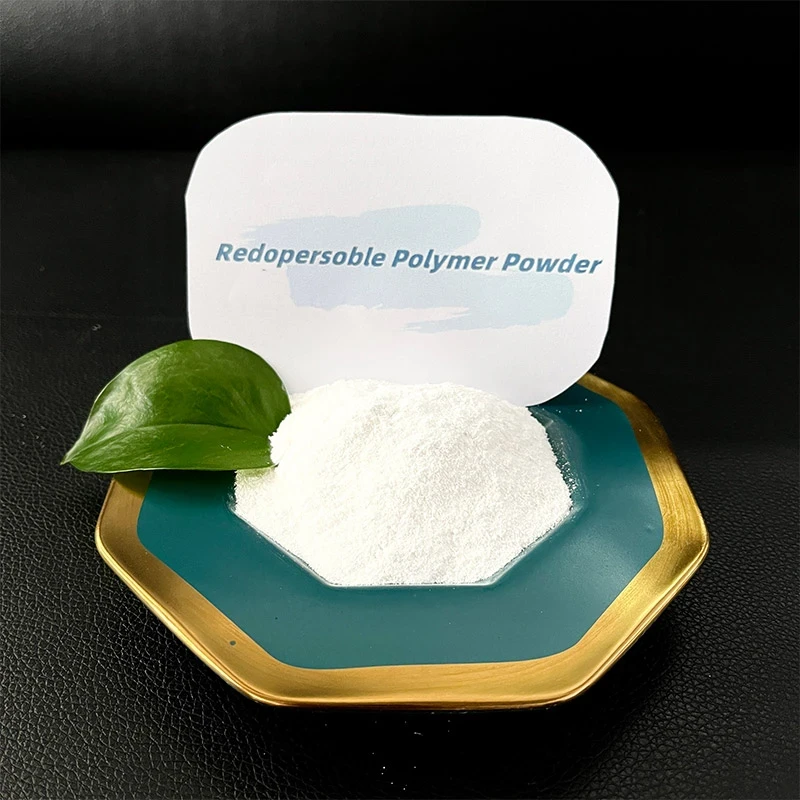
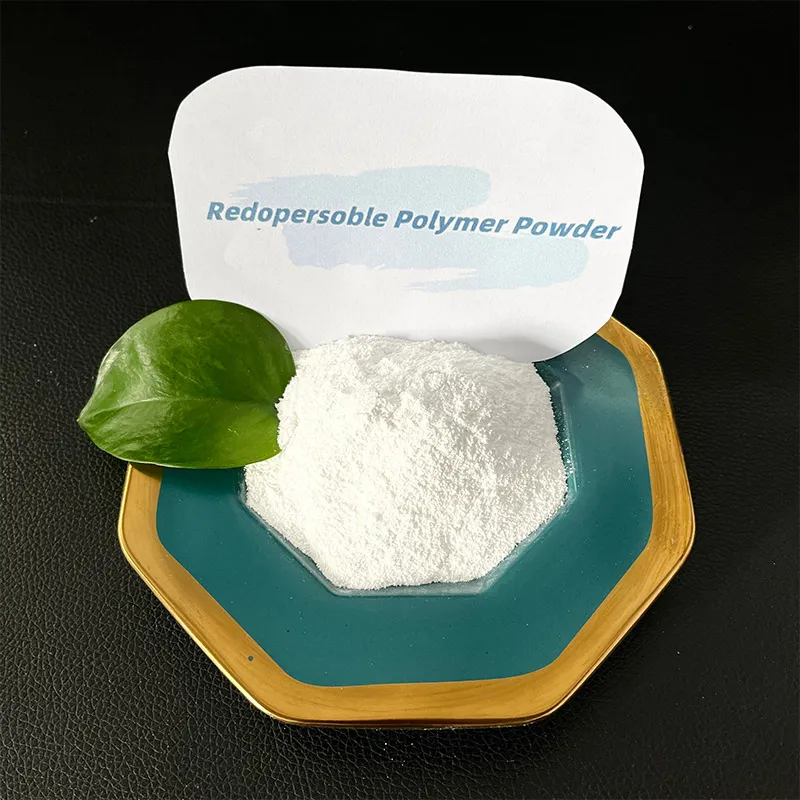
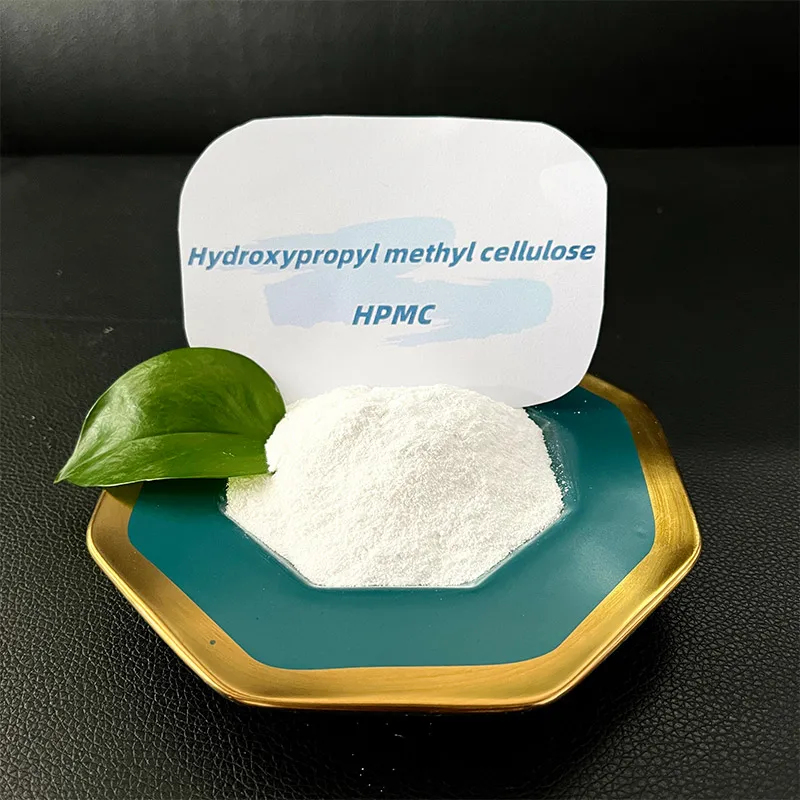
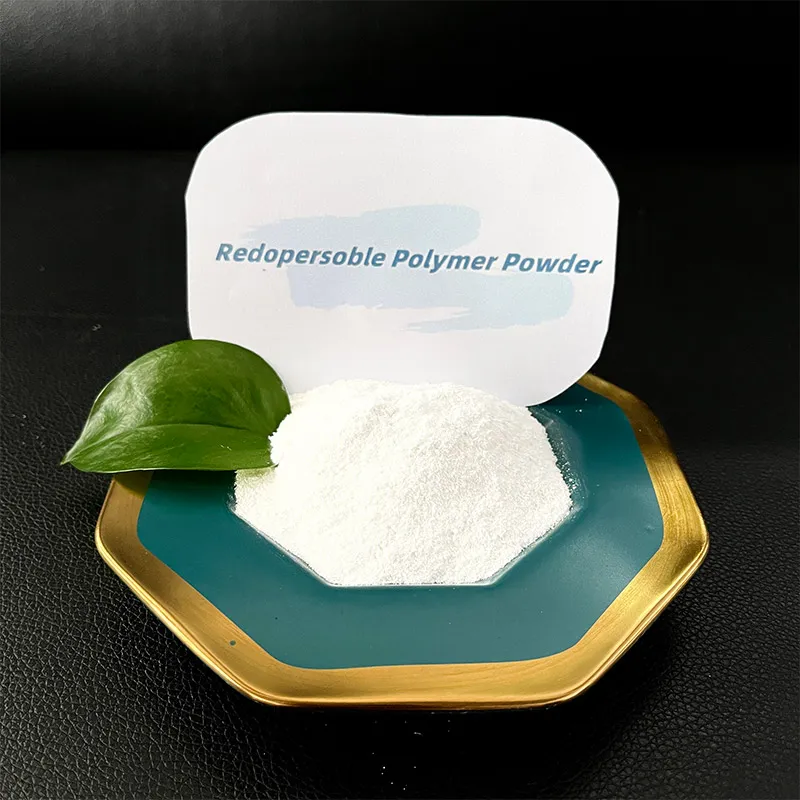



Hydroxypropyl Methylcellulose (HPMC) has seen a surge in demand across various industries, making the buying process an area of great interest. For those seeking to purchase HPMC, having a comprehensive understanding of the product, coupled with insights from industry professionals, is essential. An important characteristic of HPMC is its versatile applicability. With its non-toxic, tasteless, and odorless attributes, it is commonly used in pharmaceuticals, construction, food, and personal care products. In pharmaceuticals, HPMC acts as a binder and time-release agent, ensuring effective delivery of active ingredients. For construction, it enhances water retention and workability in products like cement and mortar, showcasing its pivotal role in the building sector. Purchasing HPMC demands expertise from industry insiders who emphasize the importance of quality . Experts recommend sourcing from certified manufacturers who adhere to international standards such as ISO and GMP. These certifications guarantee that the HPMC is manufactured under stringent quality control, ensuring product reliability and safety for end-users. Real-world experience highlights the importance of considering particle size and viscosity levels when buying HPMC. Different applications require specific viscosity ranges; for instance, higher viscosity HPMC is ideal for tile adhesives, whereas lower viscosity types might be better for pharmaceutical applications. Experienced professionals suggest requesting product samples to conduct application-specific tests before making bulk purchases. This not only ensures compatibility but also prevents potential product wastage. Authoritative voices in the industry emphasize the significance of understanding regional regulations. Product compliance can often vary depending on geographical location, affecting the import and usage of HPMC. Therefore, it is advisable to consult with regional experts and legal advisors to navigate through these regulatory frameworks effectively. hpmc buy Trustworthiness in the HPMC supply chain is another crucial factor. Buyers are advised to perform due diligence on suppliers. This includes reviewing company histories, customer testimonials, and case studies. Opting for suppliers with a proven track record, robust customer support and transparent business practices can significantly diminish risks associated with quality and delivery schedules. For ensuring seamless transactions, economic considerations play a pivotal role. Bulk purchasing can lead to significant cost reductions. However, financial experts suggest balancing purchase volume with inventory management to avoid overstocking, which could lead to increased holding costs. Developing a strategic purchasing plan with flexible terms can optimize financial outcomes while securing a steady supply of HPMC. Finally, leveraging technology can greatly aid in the HPMC procurement process. Utilizing supply chain management software can streamline operations, providing real-time updates on inventory levels, shipment tracking, and vendor communication. Such tools enhance efficiency, ensuring that the acquisition process aligns with business objectives. In conclusion, buying HPMC involves a blend of understanding its applications, ensuring quality through certified suppliers, adhering to regulations, establishing trust with vendors, managing economic factors wisely, and incorporating technological solutions. By focusing on these aspects, businesses can make informed decisions, optimizing the benefits of HPMC across their respective industries.
- 40000tons

Production
- 20+years

Experience
- 5000+㎡

Acreage

-
In the ever-evolving landscape of sustainable manufacturing, high-performance environment-friendly rubber powder factories stand as a testament to innovation and responsibility. Not merely as a symbol of eco-consciousness, these factories embody the future of industrial operations by seamlessly blending high-quality production with environmental stewardship. A deep dive into these factories reveals a confluence of technological prowess and ecological mindfulness. At the core of their operations is a commitment to sustainability without compromising on performance. Unlike traditional rubber manufacturing methods that often result in significant environmental detriments, these factories harness advanced technologies that reduce carbon footprint, minimize waste, and utilize resources efficiently. This new breed of factories employs state-of-the-art milling processes that transform end-of-life tires and rubber scraps into fine, reusable rubber powder. Through this recycling initiative, not only is landfill overflow alleviated, but valuable rubber is reclaimed and repurposed. The impact is twofold—mitigating environmental harm while enabling the creation of superior rubber products that meet high industry standards. From a performance standpoint, these rubber powders do not falter . Through rigorous testing and quality control, they consistently meet the requisite benchmarks for tensile strength, elasticity, and durability. This assurance of quality has seen their adoption in a plethora of applications—from automotive parts and building materials to sports surfaces and industrial components. The ability to produce rubber powders with such precision and consistency speaks to the expert capabilities within these factories, grounded on decades of research and development. Moreover, the intelligence embedded within these production processes is awe-inspiring. These factories are equipped with real-time monitoring systems and data analytics platforms that optimize every phase of manufacture. Continuous feedback loops ensure that any deviations are promptly addressed, thereby maintaining peak operational efficiency. Such attention to detail underscores the expertise and authoritativeness these establishments command within the industry. high-performance environment-friendly rubber powder factory Their commitment does not stop at production; these factories also pioneer efforts to educate and collaborate. By partnering with academic institutions, research bodies, and governmental agencies, they foster an environment of knowledge exchange and continuous improvement. This approach not only bolsters their own processes but also elevates industry standards globally. Their collaborative projects often lead to breakthroughs that redefine the boundaries of what's possible in sustainable manufacturing. Transparency, an often-undervalued trait, is another keystone of these operations. Detailed lifecycle assessments and audits are routinely published, providing stakeholders with clear insights into the environmental impact and benefits of their products. Certifications from reputable environmental and industrial bodies further reinforce the trustworthiness of these factories. By openly sharing their methodologies and results, they set a benchmark for accountability and trust. The human element in these factories cannot be overlooked. Skilled professionals work tirelessly to ensure that operations align with both ethical standards and corporate social responsibility objectives. This dedication to ethical labor practices not only enhances product integrity but also builds a supportive and progressive workplace culture. High-performance environment-friendly rubber powder factories are more than just manufacturing units; they are vital components of a sustainable future. Their ability to merge performance with sustainability, coupled with a strong emphasis on expertise, authoritativeness, and trustworthiness, makes them integral players in both industry and environmental conservation. Their story is one of ingenuity, responsibility, and forward-thinking—a narrative that aligns perfectly with the ethos of modern sustainable enterprise.
-
Hydroxypropyl Methylcellulose (HPMC) is an essential polymer used across various industries due to its adaptable nature and functional versatility. The complexity of its applications often warrants a closer examination of the different grades available in the market to effectively leverage their unique properties. Hydroxypropyl Methylcellulose comes in several grades, each tailored for specific functionalities. These grades differ mainly in viscosity, particle size, and substitution levels, which greatly influence their performance in diverse applications. The pharmaceutical industry extensively utilizes pharmaceutical grade HPMC as an excipient. This grade is essential in formulating controlled release drugs, offering superior stability and consistency. Real-world experiences affirm that pharmaceutical grade HPMC not only enhances the viscosity of the solution but also acts as a robust film-former, resisting degradation over time. Certified by rigorous standards, this grade showcases the crucial balance between safety and performance. In the construction industry, HPMC plays an indispensable role, particularly in tile adhesives, grout, and cement. The construction grade HPMC is distinguished by its enhanced water retention properties and workability. Construction professionals value this grade for its ability to improve open time and ensure smoother application. My long-standing interaction with industry experts revealed that the superior adhesion and cohesion provided by specialized construction grades significantly reduce sagging upon application, leading to longer-lasting structures. Food grade HPMC is another noteworthy category, primarily engaged in the food industry. This grade serves as an emulsifier, thickener, and stabilizer in various culinary applications, including plant-based alternatives. The trustworthiness of food grade HPMC is paramount as it is involved in ingestion; thus, it complies with the strictest regulatory standards. Leading food technologists often cite its non-toxic and hypoallergenic properties as pivotal when creating consumer-friendly vegan and vegetarian recipes, adding that consistent texture and mouthfeel are achieved with unmatched ease through this grade. different grades of hpmc In environmental applications, surface coating and protection measures increasingly rely on HPMC. In these contexts, specialty grades of HPMC are reputed for their biopolymer properties, offering eco-friendly yet effective solutions. These specialty grades excel in bioadhesive applications, where their performance aligns with sustainable practices. Professionals engaged in green chemistry initiatives often convey that the bio-based grades of HPMC provide not only environmental compatibility but also maintain the mechanical integrity necessary for broad-spectrum applications. Another vital domain is the personal care industry, where cosmetic grade HPMC is prevalent. It is used in lotions, creams, and shampoos as a thickening agent. Researchers emphasize the role of cosmetic grade HPMC in enhancing the viscosity of formulations, which directly relates to the product's efficacy and consumer perception. Elaborate testing and testimonies from dermatological experts underpin its safety and compatibility with skin, embodying trust and reliability in personal care products. Advanced research and development continue to forge newer grades of HPMC , tailored for high-tech applications. Engineers in the field of 3D printing, for example, are beginning to explore unique grades of HPMC with specialized rheological properties to optimize the print quality and speed, marking a testament to HPMC’s adaptability. Conclusively, the diverse grades of HPMC highlight the polymer’s intrinsic versatility across various industries. Each grade is a testament to its optimized formulation for specific applications, ensuring efficacy, reliability, and safety. These attributes not only render HPMC indispensable in existing domains but also hold the promise for pioneering applications. Considering the dynamic market demands, staying informed about the latest advancements and applications in HPMC grades is paramount for professionals keen on leveraging this polymer’s full potential for innovative solutions.
advantages
-

200000 Viscosities
Excellent product
We can produce pure products up to 200,000 viscosities
-

40000 tons
High yield
We don’t stop production all year round, and the annual output can reach 40,000 tons
-

24 hours
Quality service
We provide 24-hours online reception service, welcome to consult at any time
———— Inquiry Form
Schedule A services

-
 hpmc_film
Oct . 25, 2025
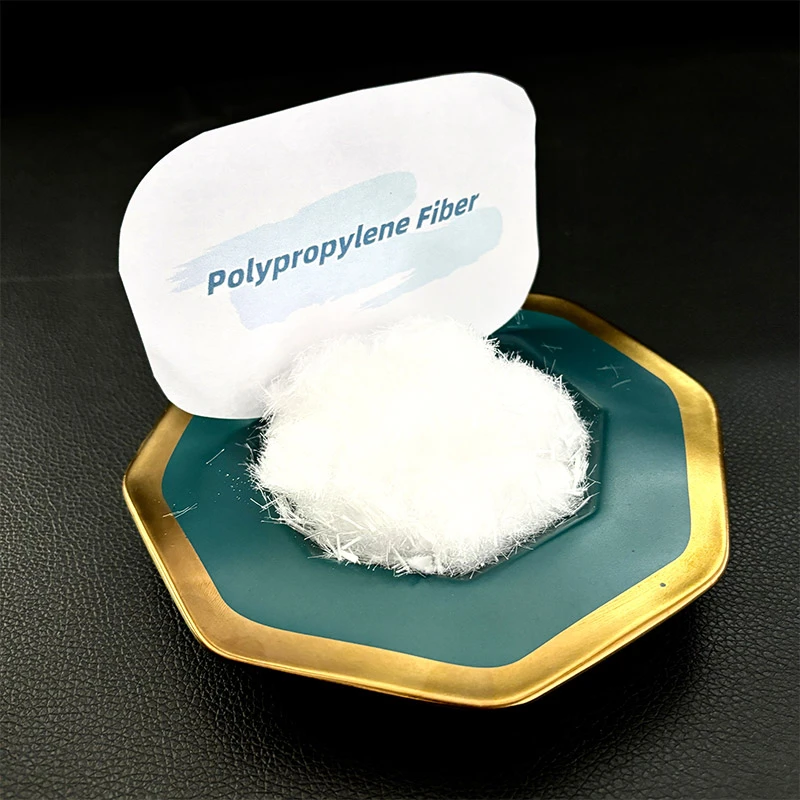
The Use of Polypropylene Fibre in Concrete Enhancing Durability and Performance Concrete is one of t -
 hpmc_e15_properties
Oct . 25, 2025
HPMC Dextran is the innovative addition to the pharmaceutical excipients' domain that is capturing s -
 hydroxypropyl_methyl_cellulose_in_supplements
Oct . 25, 2025
Gypsum, a vital component in the construction industry, is transformed through various additives to


